Guardian Projectガーディアンプロジェクト
川と人の関係を、編み直す。
Re-weaving the bond
between rivers and people.


柳川は、呼吸する街です。Yanagawa is a town that breathes.
有明海の潮は、月にあわせて一日に二度、六メートル近くを昇り降りする。その潮を堰でせき止め、掘割には真水だけを通す。930kmの水路、1,100基の水門、700人の操作人。400年かけて編み上げられてきた「もたせ」と呼ばれる仕組みが、いまもこの街を支えています。
Twice a day, in time with the moon, the tide of the Ariake Sea rises and falls by nearly six metres. Weirs hold that tide back, letting only still water through into the canals. 930 km of waterways, 1,100 water gates, and some 700 gate-keepers. A system woven over four centuries — known here as “motase” — still holds this town together.
乗富鉄工所は、その水門をずっとつくってきました。
Noridomi Iron Works has been making those water gates for generations.
気候が変わり、水門を守る人の高齢化も進み、水とともにあった暮らしの記憶も、少しずつ薄れてきました。目立たないけれど、柳川を守ってきた水門メーカーとして、いま、自分たちに何ができるだろうか。
The climate is shifting, the keepers are growing older, and the memory of a life lived with water is fading. As a water-gate maker that has quietly helped protect Yanagawa, we find ourselves asking: what can we do now?
ガーディアンプロジェクトは、その問いから始まりました。
The Guardian Project began with that question.
過去を掘り、記憶を掬い、
未来を描く。Dig the past, scoop up memories,
draw the future.
答えがあって始めた話ではありません。忘れられた水との記憶に触れながら、柳川という小さな街で、これからの水とのつきあい方を編み直せるか。そんな手探りの旅を、ご一緒できたら嬉しいです。
We didn't begin with answers. Touching the forgotten memories of water, and asking what new ways of living with it we can re-weave here in the small town of Yanagawa — we'd be glad to share this journey of discovery with you.
柳川は、8km四方ほどの街です。その中に、930kmの水路が張り巡らされています。東京から北九州までの距離に相当する水脈が、わずか一つの市域に編み込まれている。
Yanagawa is a town barely 8 km across. Within it run 930 km of waterways — a thread of water as long as the distance from Tokyo to Kitakyushu, woven into a single small city.
なぜ、そんなことになったのか。
Why did it come to be this way?
もともと柳川は「水なき土地」でした。海に近すぎて地下水は塩水。雨水と川の真水を、海水で塩漬けにしないよう大切に守り続けるしかない。一方で、矢部川や隣接する筑後川は、洪水と渇水をくり返してきました。
Yanagawa was, in truth, a “land without water.” Too close to the sea, its groundwater ran salt. The only way to live here was to guard every drop of rain and river water from being spoiled by the sea — while the Yabe River and the neighbouring Chikugo swung between flood and drought.
多すぎる水。少なすぎる水。
海から逆流する塩水。Too much water. Too little water.
Salt water pushing back inland.
この3つの困難と向き合いながら、住民たちが四百年かけて編み上げてきたのが「もたせ」と呼ばれる仕組みです。
Living with these three hardships, over four centuries the townspeople wove a system they call “motase.”
「もたせ」は本来、水を分かち合うためのコンセプトです。一人で囲い込まず、街全体で「もたせ合う」。次に使う人のために、水を絶やさない、無駄にしない。そんな連綿と続く関わり方が、街の水路網と水田に組み込まれてきました。
At heart, “motase” is a concept for sharing water. No one fences it off; the whole town makes it hold, together. For the next person, keep the water alive and waste nothing. This unbroken way of relating has been built into the town's canals and rice fields.
結果として、この仕組みは水害にも強かった。満潮時に上流からの水を街全体で分散的にもたせ、引いてからゆっくり海へ流す。豪雨予報のときは事前に「先行排水」して貯水キャパを上げる──そんな現代的なアップデートも、地域の人たちの手で続けられています。
As a result, the system was strong against flooding too. At high tide it holds upstream water dispersed across the town, then releases it slowly to the sea once the tide falls. When heavy rain is forecast, “pre-emptive drainage” raises the storage capacity in advance — a modern update still carried out by local hands.
そしてその仕組みは、機械が回しているのではありません。700人を超える操作人たちが、日々、扉を開け閉めしながら、街全体の呼吸を整えています。設備と、人の感覚と判断。その積み重ねが、数百年この街の水を支えてきました。
And this system is not run by machines. More than 700 gate-keepers open and close the gates day after day, tuning the breathing of the whole town. Hardware, and human sense and discernment — that long accumulation has carried this town's water for centuries.
けれど、その担い手の高齢化が進んでいます。いつ、どの水門を、どれだけ開けるか──文字には残らない開け閉めの勘どころが、受け継がれないまま失われようとしています。
But those who carry it are growing old. When, which gate, how much to open — the feel for opening and closing, never written down, is in danger of being lost before it can be passed on.
私たち乗富鉄工所は、その水門をつくってきた会社です。
We at Noridomi Iron Works are the company that has made those water gates.
水門は、これまで「流水を調節する設備」と説明されてきました。それは間違いではありません。実際、水門は水を堰き止め、開放し、街と田畑を守る装置です。
A water gate has always been described as “equipment that regulates the flow of water.” That isn't wrong — it does dam and release water, protecting the town and its fields.
でも柳川を歩いていると、もう少し別の姿が見えてきます。
But walk through Yanagawa, and another face of it begins to appear.
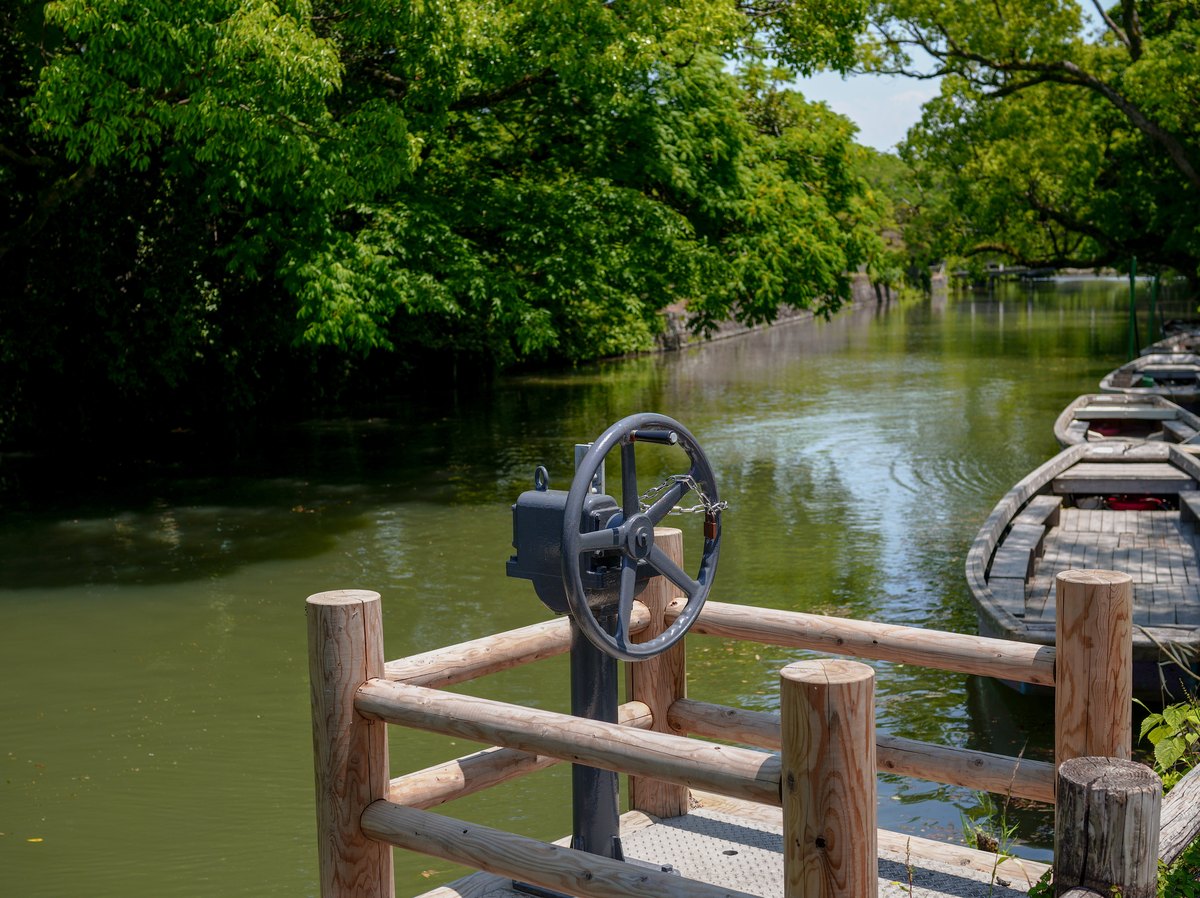
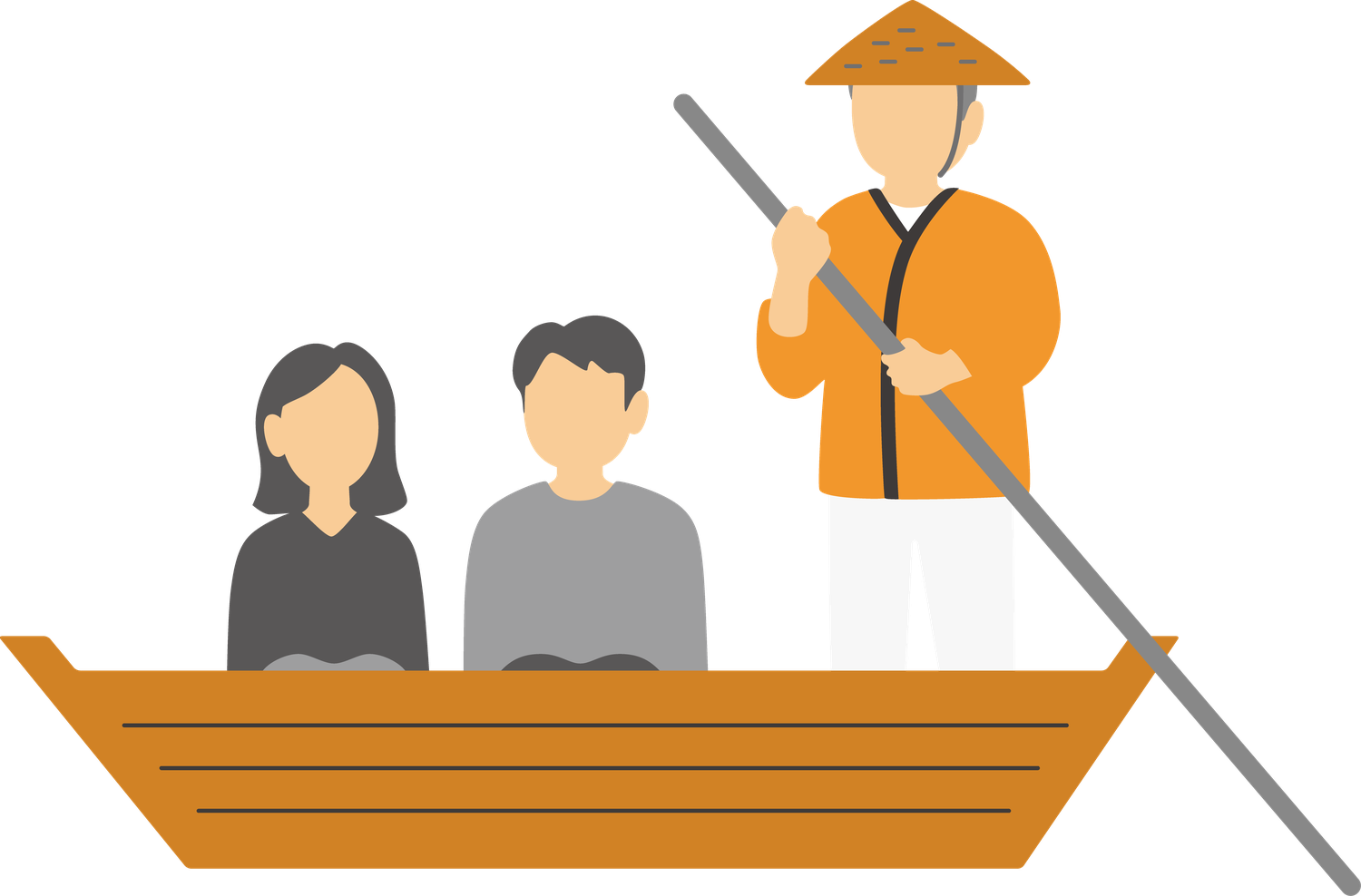
水門の前に立つ操作人がいて、その人の判断で扉が動く。動いた瞬間、街のどこかで水位が変わり、田んぼの水が満ちたり、堀の流れが変わったりする。水門は、人と人、人と川、街と海、上流と下流をつなぐ、小さな結節点なのです。
A gate-keeper stands before it, and the gate moves when they decide. The moment it does, a water level shifts somewhere in the town — a rice paddy fills, a canal changes its course. A water gate is a small node that joins person to person, people to river, town to sea, upstream to downstream.
言い換えれば、水門は
「インターフェース」です。In other words, a water gate
is an “interface.”
川と人が触れる、その境目に立っている装置。
A device standing on the very edge where river and people touch.
私たちはこれからの水門を、そういう存在として捉え直したい。設備として頑丈であることや、自動化されて便利になることだけではなく、川と人の関係をどうあるべきか、というところまで含めて。
We want to re-read the water gate of the future as exactly this kind of presence — not only sturdy hardware or convenient automation, but something that asks what the bond between river and people ought to be.
自動化は進めるけれど、人の判断と感覚はちゃんと残す。技術でやれることを増やしながら、街の知恵や記憶を消さない。そんな方向で、いま新しい水門のかたちを探っています。
We move automation forward, yet keep human decision-making and intuition firmly in place. We widen what technology can do without erasing the town's wisdom and memory. In that direction, we are searching for a new form for the water gate.
言葉だけでなく、手を動かしています。
いま3つの方向で活動が進んでいます。We aren't only talking — we're working with our hands.
Three lines of activity are under way right now.
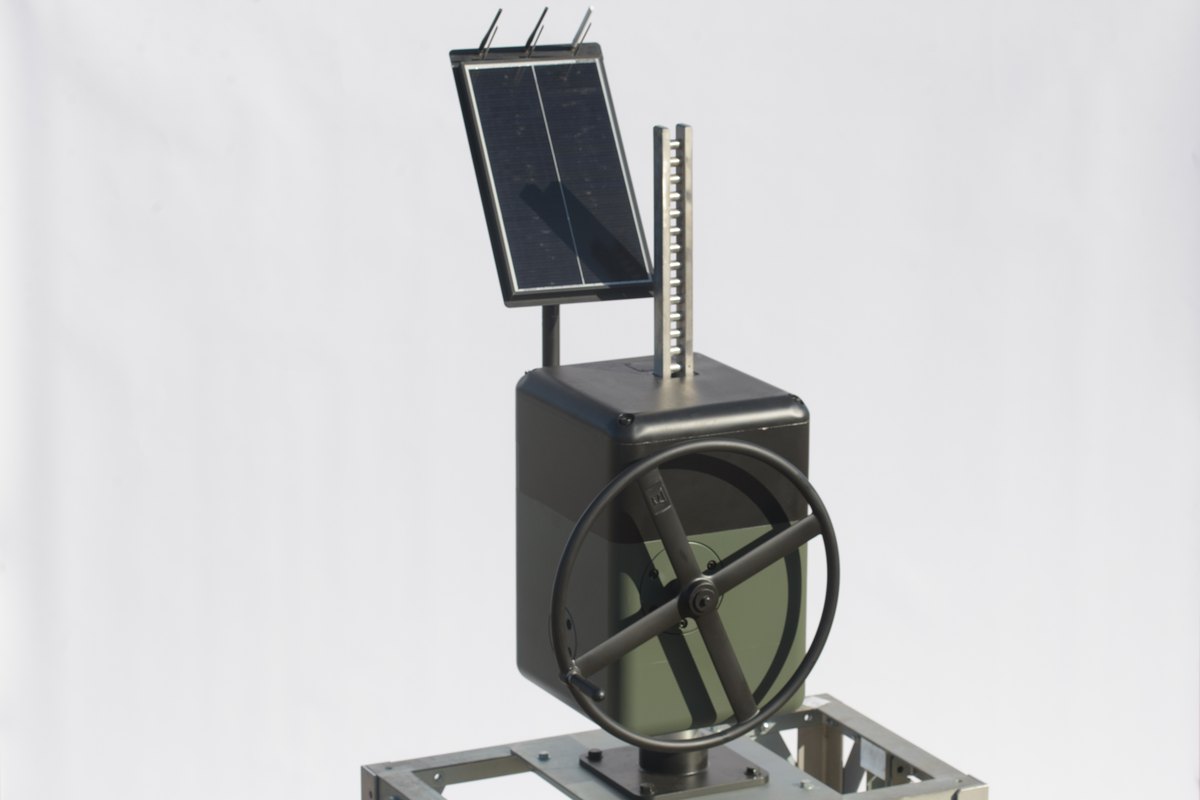
柳川には1,100基を超える水門があり、その多くが小型の手動水門です。これらを遠隔操作可能にし、流域全体の水位データと気象データを組み合わせてAIが操作のタイミングを提案する。そんな次世代の水管理システムを、新潟大学・近畿大学・神戸大学と共同で開発しています。
Yanagawa has more than 1,100 water gates, most of them small and manual. We are making them remotely operable, combining watershed-wide water-level and weather data so that AI can suggest the timing of each operation. We are developing this next-generation water-management system together with Niigata, Kindai and Kobe Universities.
ポイントは、AIに全部を委ねないこと。流域全体の動きを見渡したうえで最適なタイミングを「提案」し、最終的な判断と操作は人が行う。長年の経験と感覚を持つ操作人が、これからも水門の主役であり続けるための、その横に立つ技術です。
The key is not to hand everything over to the AI. It surveys the whole watershed and “suggests” the best timing, while the final decision and the operation itself stay with people. It is a technology that stands beside the gate-keepers — so that their years of experience and intuition remain at the heart of the water gate.
同時に、軽くて錆びにくい簡易ゲートや、既存の水門を活かす後付け遠隔化アタッチメントなど、現場の状況にあわせたハードの開発も進めています。
At the same time, we are developing hardware suited to real conditions on site — light, rust-resistant simple gates, and retrofit remote-control attachments that make the most of existing water gates.
Products
川と人の関係を編み直すには、技術だけでは足りません。人が実際に川に近づき、川辺で過ごし、川を使う「場所」をつくることが大切です。
Re-weaving the bond between rivers and people takes more than technology. What matters is making “places” where people actually come close to the river, linger at its edge, and put it to use.
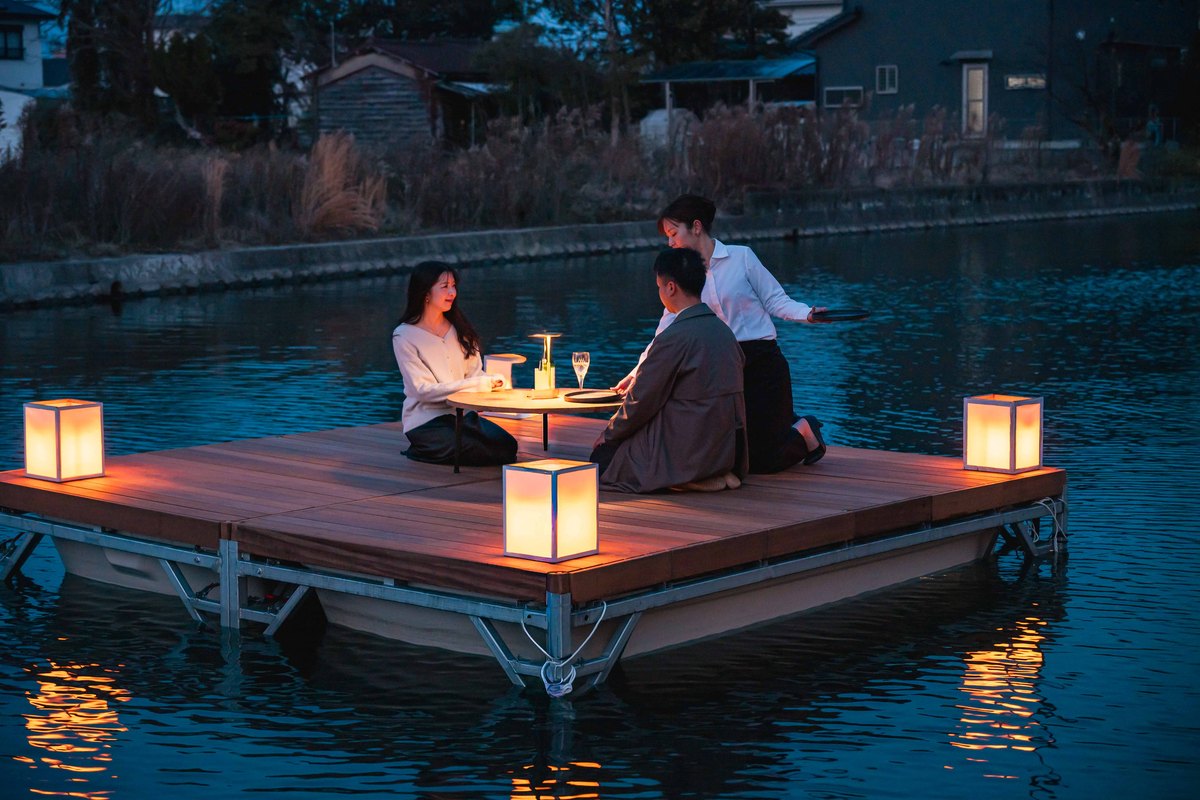
その第一歩として始めたのが「掘床」です。堀の上に浮かべる水上ステージで、一艘ずつ移動でき、連結するとフラットな空間になります。まちの仲間たちと一緒に企画し、乗富鉄工所が製造しました。年配の方からは「おれが昔からやりたかったやつだ」とよく言われます。
Our first step was “Horidoko,” a floating stage set on the canals. Each unit moves on its own, and linked together they form one flat space. We planned it with friends from the town, and Noridomi Iron Works built it. Older residents often tell us, “This is the very thing I always wanted to do.”
掘床は、どなたでも借りて使えます。柳川に来たら、ぜひ水の上で過ごしてみてください。
Horidoko is open for anyone to rent and use. When you come to Yanagawa, do spend some time out on the water.
私たちがやりたいのは、モノをつくって終わりではなく、その先の体験をつくることです。堀沿いや川辺の空間そのものをデザインし、地域の人も旅人も、自然と水に触れられる場所を増やしていく。水門も、掘床も、その入口だと思っています。
What we want to do is not simply make things and stop there, but to create the experiences beyond them. To design the canal- and riverside spaces themselves, multiplying the places where locals and travellers alike can touch the water naturally. Water gates and Horidoko are, we believe, both doorways into that.
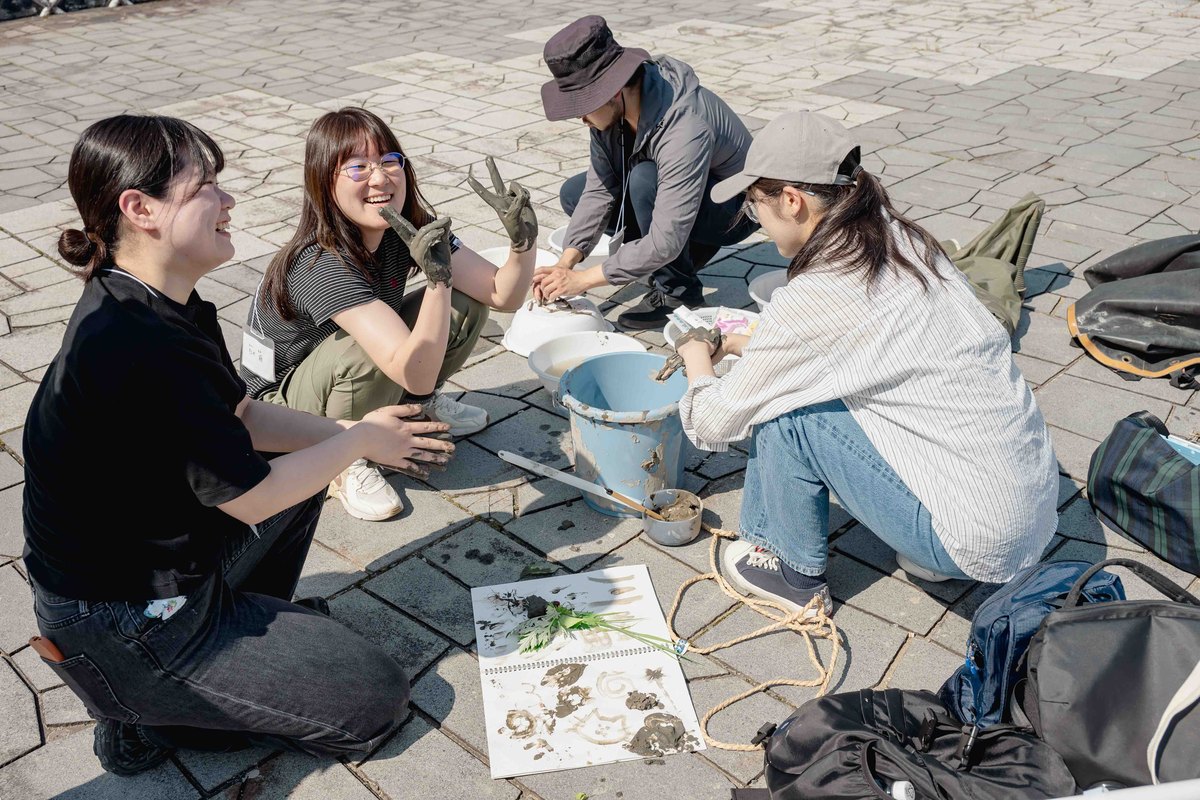
ガーディアンプロジェクトを支える思想と実践の基盤となっているのが、「人と水の流域ラボ」というコンソーシアムです。研究者・観光協会・地域団体・乗富鉄工所などが構成団体となって2026年4月に設立されました。柳川市の古澤家住宅に拠点を置き、川と水路と水門にまつわる調査研究を、地域と一緒に進めています。
The thinking and practice behind the Guardian Project rest on a consortium called the “People & Water Watershed Lab,” founded in April 2026 by researchers, the tourism association, local organisations and Noridomi Iron Works, among others. Based at the Furusawa Residence in Yanagawa, it pursues research on the town's rivers, canals and water gates together with the community.
乗富鉄工所はこの流域ラボの一員として、研究と現場をつなぐ役割を担っています。研究から生まれた問いを技術や場づくりに翻訳し、現場から見えた課題を研究に返す。その往復が、ガーディアンプロジェクトの土台になっています。
As a member of this lab, Noridomi Iron Works plays the part of connecting research and the field. We translate questions born in research into technology and place-making, and carry the challenges seen on the ground back into research. That back-and-forth is the foundation of the Guardian Project.
流域ラボから動き出している取り組みには、たとえばこんなものがあります。
Among the efforts the lab has already set in motion are, for example:
・堀dayトーク ── 柳川の人々と「水の思い出」を集める対話の場
・堀dayトライ ── 川と遊び、新しい「川づかい」を試す合宿
・Hori-day Talk — a dialogue that gathers “water memories” from the people of Yanagawa
・Hori-day Try — a camp for playing in the river and trying new ways to use it
A thousand years of weaving
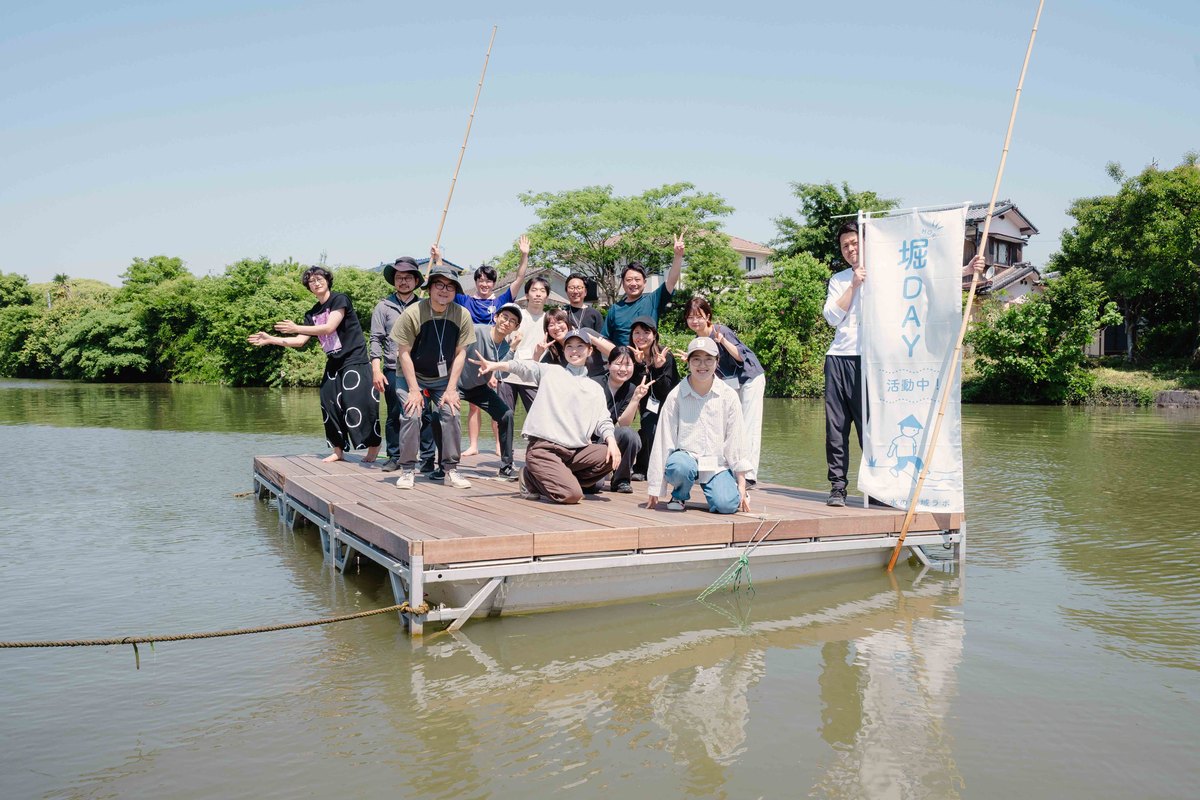
柳川では、水路を「掘割」と書きます。「掘」は手偏。人が手で掘り、いまも手で浚(さら)い、守りつづけているからです。土偏の「堀」が完成した地形を指すのに対し、手偏の「掘」は、人と水の関わりがまだ終わっていないことを示しています。掘割は、まだ完成していません。
In Yanagawa, the canals are written with a character that carries the “hand” radical — 掘 — rather than the “earth” one, 堀. People dug them by hand, and still dredge and tend them by hand today. Where the “earth” character names a finished landform, the “hand” character shows that the bond between people and water is not yet over. The canals are not yet finished.
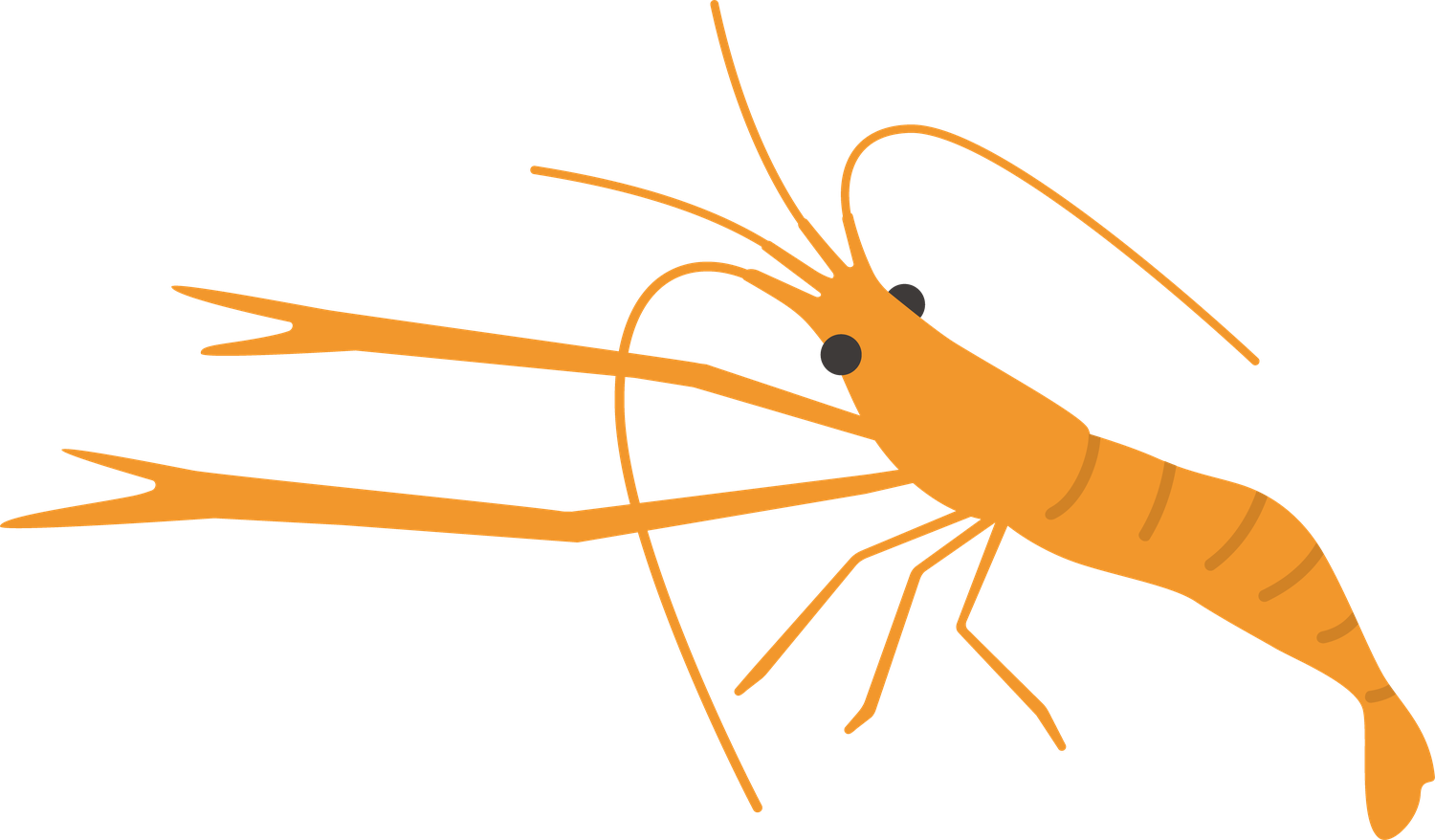
かつて、水と人の関係は、もっと密でした。子どもたちは掘割でエビや魚を獲り、舟で水辺を行き来し、潮干狩りに出かけました。水路の呼び名も「掘」「掘割」「クリーク」「カワ」と細かく使い分けてきました。水と遊ぶことで、水を読む感覚が体に育っていきました。大人たちは水を暮らしに取り入れ、操作人が水門を開け閉めしながら、水の声を聞いていました。
Once, water and people were far more closely bound. Children caught shrimp and fish in the canals, crossed the waterside by boat, went gathering shellfish at low tide. They even named the waterways with care — hori, horiwari, “creek,” kawa. Playing with water grew, in the body, a sense for reading it. Adults wove water into daily life, and the gate-keepers, opening and closing the gates, listened to its voice.
近代以降、その関係は少しずつ変わっていきました。洪水から街を守り、暮らしを安全に、そして便利にするために、川は直線化され、護岸はコンクリートで固められ、水は水道として蛇口から届くようになります。それは合理的な歩みであり、私たち水門メーカーもまた、その時代を担ってきた当事者です。けれど、水が「壁の向こうで管理され、運ばれてくるもの」になるほど、人と掘割の距離は開いていきました。手間のかかる掘割との付き合いは忘れられ、掘割は汚れ、子どもが掘割で遊ぶことも少なくなっていきます。そうして、水と関わる作法も、水を読む感覚も、少しずつほどけていきました。
From the modern era on, that relationship slowly changed. To guard the town from floods and to make daily life safe — and convenient — rivers were straightened, banks were set in concrete, and water began to arrive from a tap. It was a rational course, and we gate-makers were part of that era too. But the more water became something managed behind walls and piped to us, the further people drifted from the canals. Their demanding upkeep was forgotten, the canals grew dirty, and children playing in them became a rarer sight. And so the manners of relating to water — the feel for reading it — gradually came undone.
ほどけてしまった関係を、
もう一度編み直す。To weave the unravelled bond
together once more.
私たちが目指すのは、このほどけてしまった関係を、もう一度編み直すこと。掘割がまだ完成していないのなら、私たちもまた、関わりつづけることができるはずです。
What we are after is to weave that unravelled bond together once more. If the canals are not yet finished, then we, too, can keep taking part in them.
ガーディアンプロジェクトのテクノロジー──水門の遠隔化、AI支援、シミュレーション──は、「制御」のためではなく、「対話」のためにあります。AIが提案し、人が判断する。技術は、人と水のあいだに立つ翻訳機です。人を不要にする技術ではなく、人が水と関わり続けられる技術を、探しています。
The Guardian Project's technologies — remote gates, AI assistance, simulation — exist not for “control” but for “dialogue.” The AI suggests; the person decides. The technology is a translator standing between people and water. We are not looking for technology that makes people unnecessary, but for technology that lets people keep relating to water.
掘割が完成しないように、水と人の関わりを編み直そうとする私たちの取り組みに、終わりはありません。
Just as the canals are never finished, our work to re-weave the bond between water and people has no end.
多すぎる水。少なすぎる水。
海から逆流する水。Too much water. Too little water.
Salt water pushing back inland.
地球温暖化が、世界中の街にこの三つの悩みをもたらしています。柳川が何百年も前から向き合ってきたのと、同じ水です。掘割に水を分け、ため、ゆっくり流す——その知恵を現代に編み直す試みは、やがて世界へ。小さな水門ひとつから、水と人がもう一度とけあう、ひとつの手がかりになるかもしれません。Global warming is bringing these same three troubles to towns all over the world — the very water Yanagawa has faced for centuries. Sharing it among the canals, holding it, letting it flow slowly: the attempt to re-weave that wisdom for our own age may, in time, reach the world. From a single small water gate, it might become one clue to how water and people can melt together once again.
記録は準備中です。Records are on their way.
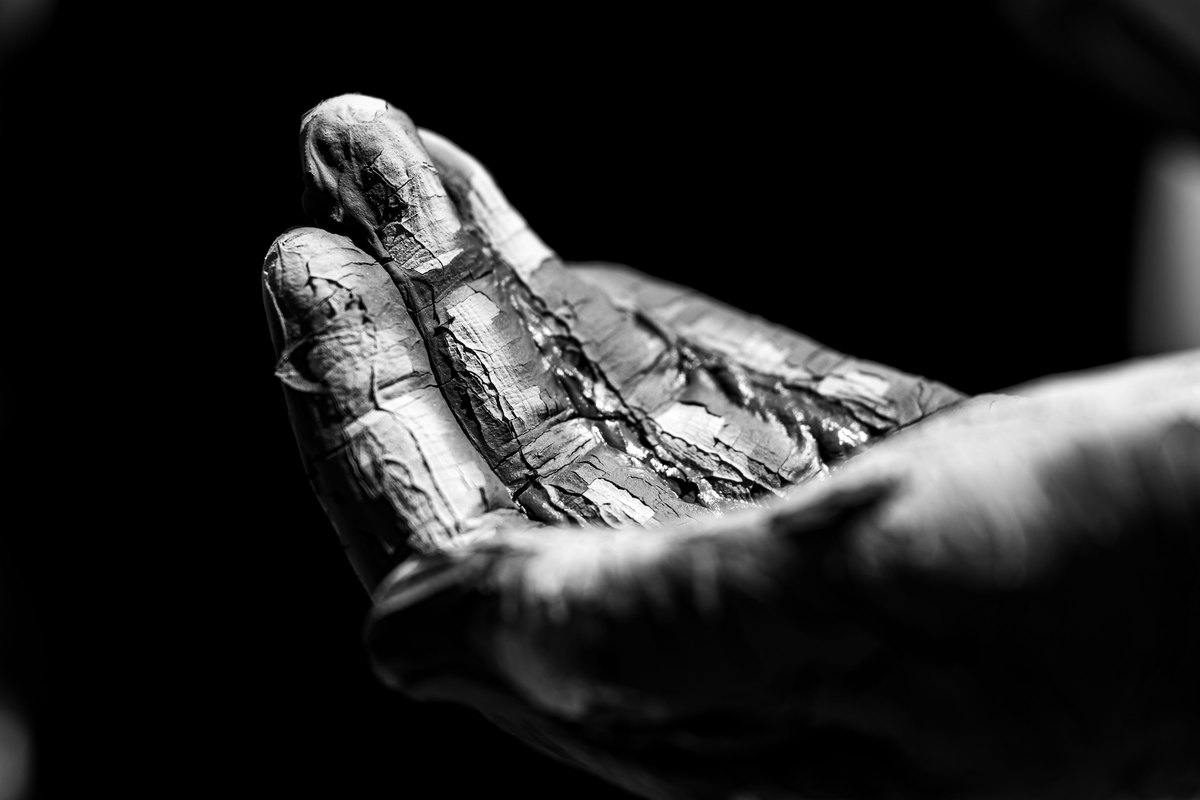
「流域」という言葉があります。
There is a word: “watershed.”
一般には、川に水が集まってくる地形的な範囲を指します。地図の上で線を引いて、内側と外側を分ける単位として。
Usually it means the shape of the land where water gathers into a river — a unit drawn as a line on a map, dividing inside from out.
でも、本当にそうでしょうか。
But is that really all it is?
たとえば柳川では、家のそばの掘割を「川」と感じ、もっと大きな沖端川のほうを「海みたいだ」と言う人がいます。地図の上で引く線と、体でおぼえている水の境目は、必ずしも同じではありません。
In Yanagawa, for instance, some people feel the canal by their house is “the river,” while the larger Okinohata River feels “more like the sea.” The lines drawn on a map and the water’s edges the body remembers are not always the same.
私たちが日常の中で水を感じる瞬間は、地図の境界線の内側だけにあるわけではありません。蛇口から出てくる水、洗濯機の音、雨上がりの匂い、川辺の風。そのすべての向こうに、ちがう街、ちがう山、ちがう海が、つながっています。
The moments we feel water in daily life don't sit only inside a line on a map. The water from the tap, the sound of the washing machine, the smell after rain, the wind off the riverbank — beyond every one of them, a different town, a different mountain, a different sea is connected.
流域は、境界ではない。
川と自分のあいだに生まれる「つながり」のこと。A watershed is not a boundary.
It is the connection born between a river and yourself.
柳川で子どもの頃に水で遊んだ大人たちは、いまも水を見る目を持っています。「水位が上がってきたな」「今日の流れは速いな」と、自然に体が反応する。水と遊んだ記憶が、感覚として残っているからです。
The adults who played in the water as children in Yanagawa still keep an eye for it. “The level's coming up,” “the current's fast today” — their bodies respond on their own, because the memory of playing with water lingers as a feeling in the body.
楽しんだ体験が、過去の知恵を体に取り戻し、
未来の風景を発想させる。Joyful experience brings past wisdom back into the body,
and lets us imagine the landscapes of the future.
ガーディアンプロジェクトが向き合っているのは、技術と思想の境目にある、こういう小さな感覚です。
What the Guardian Project is really facing is exactly this small sensation, on the border between technology and thought.
この章の「流域」の捉え方は、「人と水の流域ラボ」を五三裕太さん(山梨大学)と立ち上げ、柳川の仲間たちと一緒に川と向き合う中で育ててきたものです。This chapter’s way of seeing a “watershed” grew out of founding the People & Water Watershed Lab together with Yuta Itsumi (University of Yamanashi), and facing the river together with friends in Yanagawa.
「人と水の流域ラボ」の堀dayトークで集まった、柳川に暮らす人たちの川と水の記憶。ひとつひとつが、ここで水と人がどれだけ近かったかを語っています。Memories of water and the canals, gathered from the people of Yanagawa at the Watershed Lab’s “Hori-day Talk.” Each one speaks of how close water and people once were here.
破線のカードは、少し重い記憶です。アーカイブの一部としてここに残しています。
The dashed cards hold heavier memories, kept here as part of the archive.
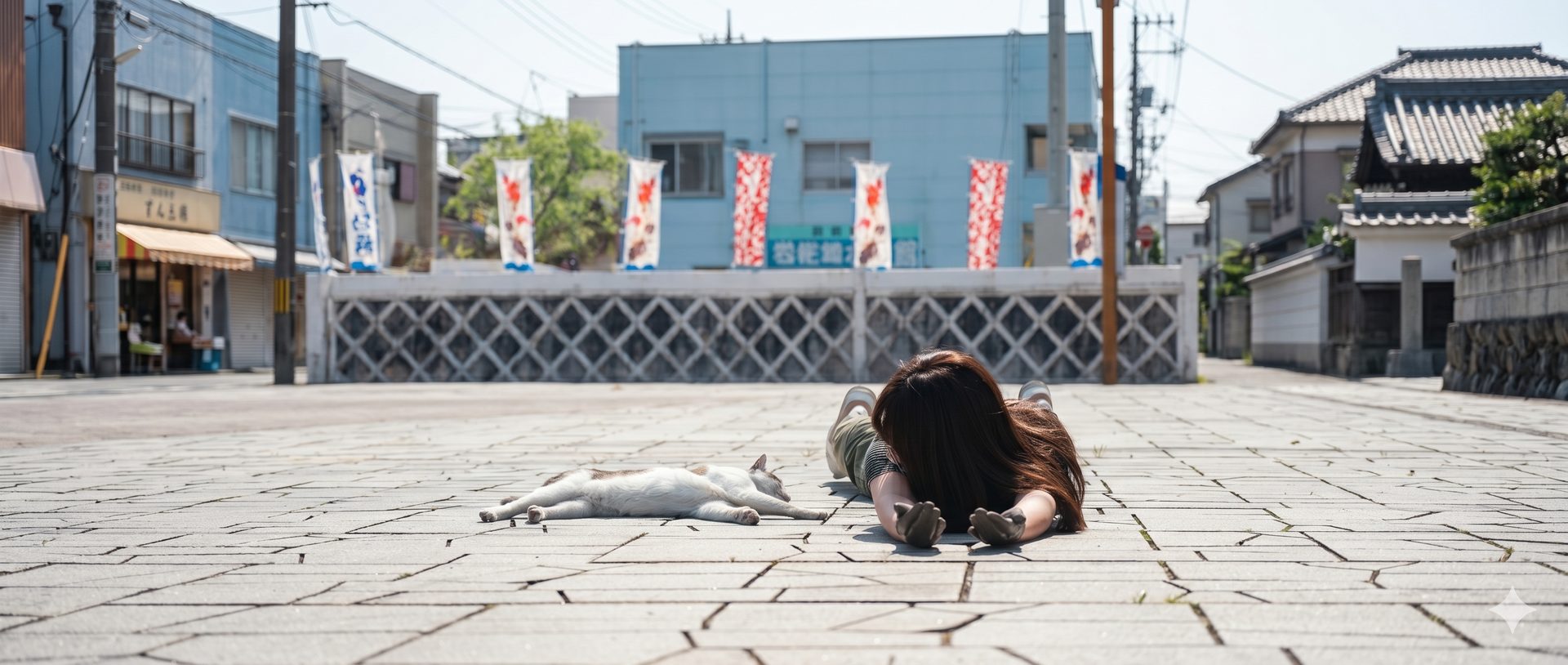
ガーディアンプロジェクトを支える思想と、柳川での実践、研究の記録を、noteマガジンで継続的に発信しています。We share the thinking behind the Guardian Project, our practice in Yanagawa, and our research notes — published on an ongoing basis through our note magazine.
協業、行政・研究からのご相談、取材、海外から——どんな入口でも歓迎します。目的を選んで、お送りください。Collaboration, inquiries from government and research, press, voices from overseas — every door is open. Choose a purpose and send us a note.